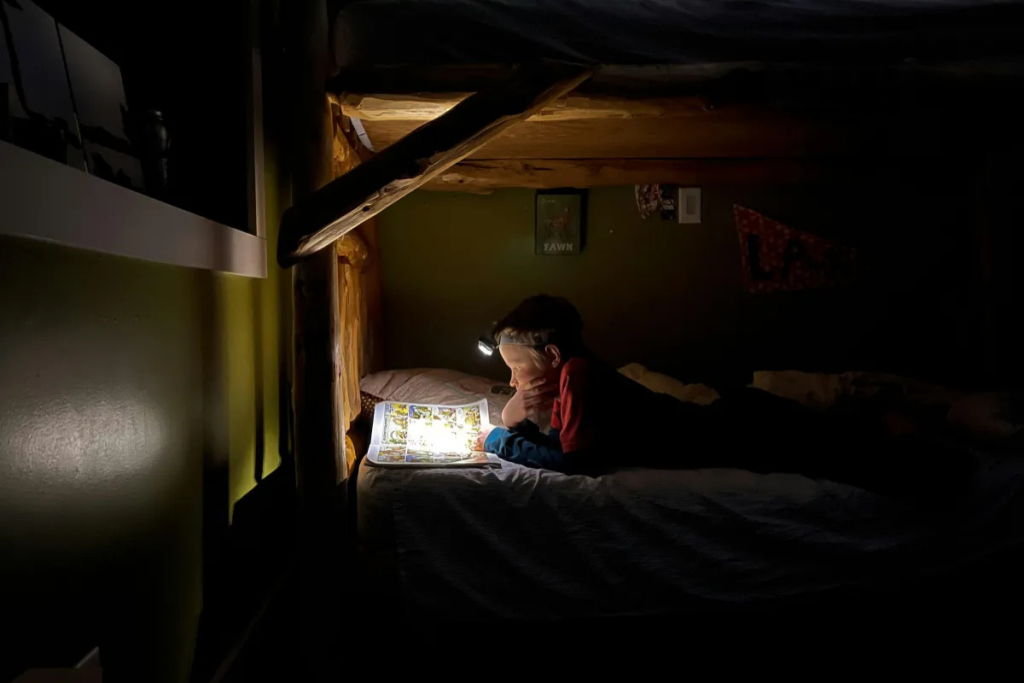
When you’re raising a neurodivergent kiddo, creating a nurturing home for neurodivergent children becomes more than just decorating a space — it turns your house into the command center. Your safe zone. Your meltdown recovery bunker. It’s the place where the magic and the mess collide every single day.
Because let’s be honest — the world outside? Overstimulating, unpredictable, and sometimes just plain rude. But inside these walls? You get to rewrite the rules. You get to create a space where your child feels seen, supported, and safe enough to be their full, glorious self — quirks, big feelings, and all. And the truth is, creating a nurturing home for neurodivergent children doesn’t require a Pinterest-worthy house or endless money. It requires intention, compassion, and a willingness to meet your child where they are.
And no, it doesn’t have to be perfect. (Perfect is a lie and she’s not welcome here.) It just has to be intentional.

Structure Without the Stress
For me, the first thing I had to embrace was structure. And I don’t mean the minute-by-minute, soul-crushing kind. I mean rhythms — little predictable beats in our day that make the chaos easier for their brain (and mine) to manage. Mornings? Bedtime? Transitions? That’s where I started. Visuals, timers, even just a simple “In ten minutes, we’re going to…” — those became magic words. When the routine runs the show, I don’t have to. I get to breathe.
And here’s the kicker: consistency doesn’t just help our kids, it helps us too. It takes the mental load off and frees up energy to connect instead of correct. That’s the kind of structure that fuels peace instead of pressure.
Communication That Builds Connection
And then there’s communication. Oh, friend, it took me a minute to figure out that expecting my kid to respond like a mini-adult was setting us both up to fail. So I started getting curious instead of correcting. Does my kid need fewer words? More visuals? A little more time to process? The more I tailored my words to their needs, the fewer battles we had.
And validating those big emotions? Total game-changer. Saying, “This feels really big right now, huh?” instead of “You’re fine” told my kid, “I’m with you. Even when it’s hard.” That built trust. And when I started narrating my own emotions — “I’m feeling overwhelmed, so I’m going to take a break” — they saw what emotional regulation actually looks like.
Creating a nurturing home for neurodivergent children means modeling the very skills we want them to learn. When we slow down, narrate, and validate, we’re teaching emotional fluency in real time.
Sensory Safety on a Budget
And let’s talk about sensory safety. If my child’s nervous system is already on high alert out there, home needed to be the exhale. That didn’t mean I needed an HGTV budget. It meant being intentional.
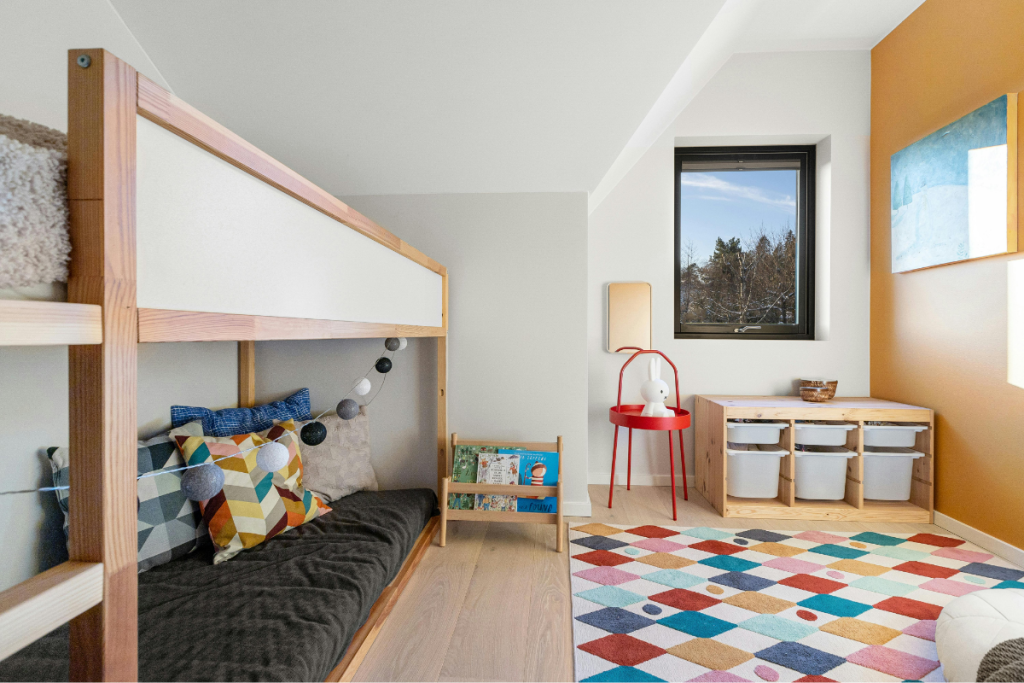
We started small — a cozy corner with dim lights and a weighted blanket. A bin of fidgets. Some noise-canceling headphones. A playlist of chill background music. Letting my kid help create that space? That was everything. It made them feel like it was theirs.
If you’re building your own sensory space, start with what you already have — pillows, lamps, soft blankets, even cardboard boxes for quiet hideouts. Simple changes can transform chaos into calm.
Emotional Safety Above All
And here’s the thing — a nurturing home for neurodivergent children isn’t meltdown-free. That’s not even the goal. It’s a place where my child can unravel without shame. When they’re losing it, and I don’t meet their chaos with more chaos — but with presence, patience, and connection? That’s emotional safety.
It’s being their anchor when the world feels too big. Sometimes it’s just ten minutes of uninterrupted play or snuggles or sitting quietly beside them. But those ten minutes? They hold us together.
The Power of Choice
Want to know the real secret? Give them control where you can. It’s not about letting them run the house — it’s about handing over the little things. Which cereal? What PJs? Teeth before or after storytime?
Those choices aren’t just practical. They tell your child: “Your voice matters here.” And when kids feel heard, they stop fighting quite so hard.
Don’t Forget Yourself
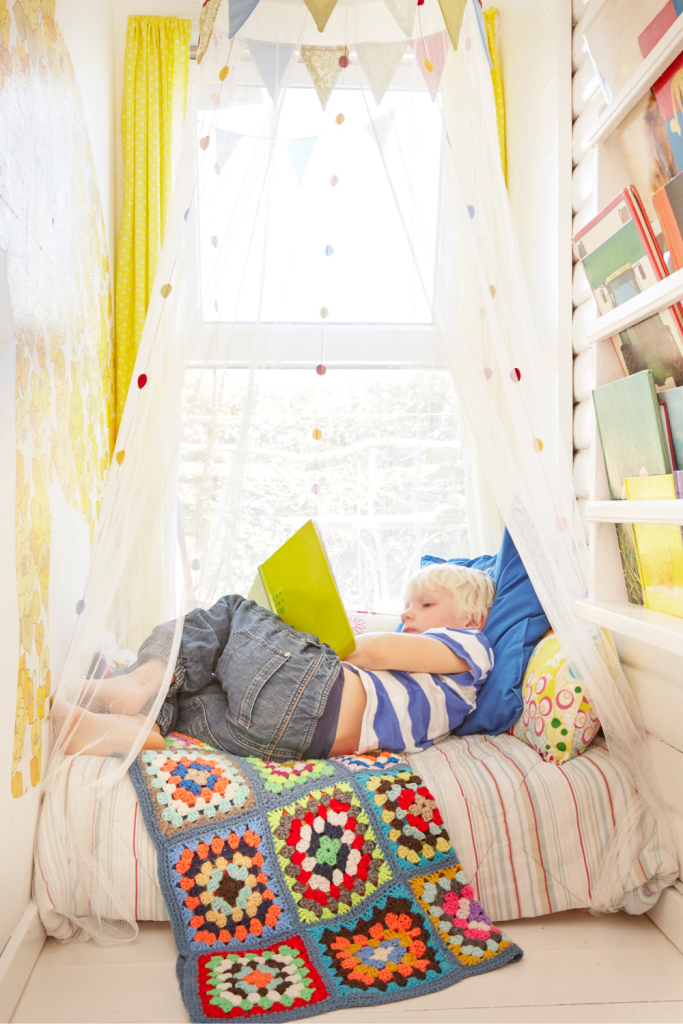
And if I’m being really real — none of it works if I’m spun out. My kids feel my energy louder than they hear my words. I had to learn to ground myself. To slow down. To protect my peace like it’s my job (because let’s be honest, it is).
Not so I can be Zen 24/7, but so I can keep showing up — imperfectly, but steadily. Because the truth is, creating a nurturing home for neurodivergent children starts with nurturing yourself. When you’re regulated, your child has a model of stability to lean on.
The Big Picture
And maybe that’s the biggest reminder I can leave you with: you don’t need the Pinterest house. You don’t need perfect parenting plans. You need intention. Compassion. And to know that you are already building something beautiful — brick by brick, meltdown by meltdown, moment by moment.
And when you start to see those quirks and differences not as flaws but as brilliance? That’s when everything shifts. I dive deeper into that mindset in my post Neurodiversity Is a Superpower.
This isn’t just a home. It’s the launchpad for an ND legend. And mama? You’re doing a damn good job.