
If you’re parenting a neurodivergent child, here’s a truth you already feel in your bones:
Your kid works ten times harder than the world realizes.
Not because they’re “behind.”
Not because they’re “misbehaving.”
Not because they’re “difficult.”
But because they’re masking — shape-shifting their behavior, personality, or needs just to pass as “acceptable” in environments that were never built for their brilliance in the first place.
And if you’ve ever wondered why your child can hold it together for hours at school only to fall apart the second your front door opens…
Congratulations, mama.
You’re staring ND masking right in the face — the invisible performance that drains our kids faster than a dead iPhone battery in the middle of a Target run.
And in true Mamafesto fashion, we’re not going to whisper about it.
We’re dragging ND masking into the light, tearing down the shame, and giving YOU everything you need to help your child step out from behind the mask safely.
Let’s get into it.
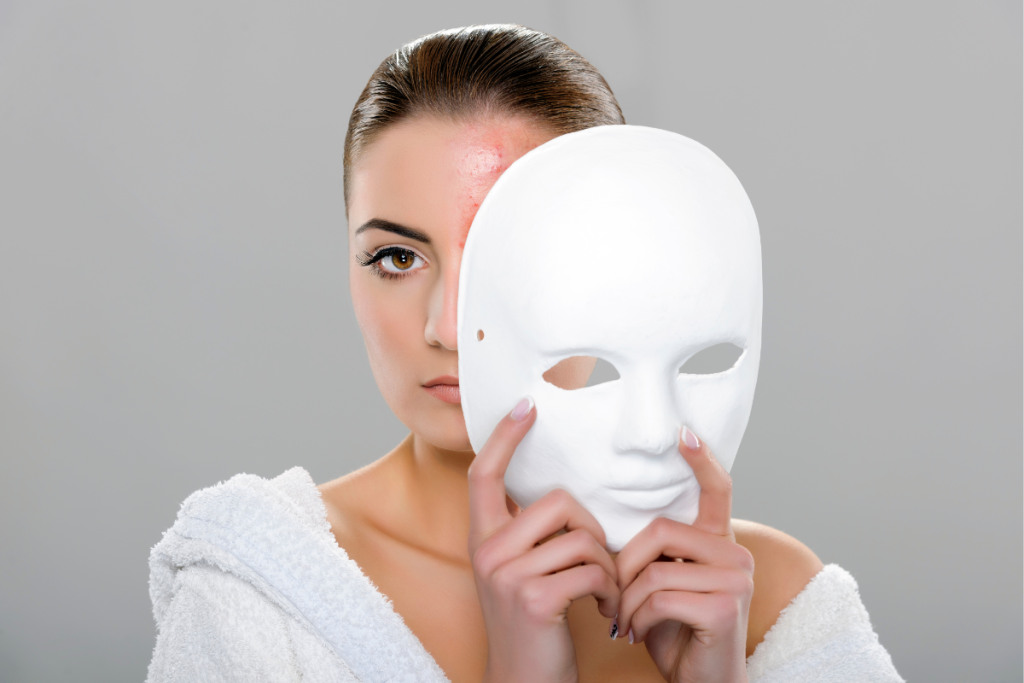
What ND Masking Really Is (And Why It’s So Damaging)
ND masking is when a neurodivergent child tries to act “normal” (yes, the worst word ever), copying social cues or suppressing their natural behaviors so they won’t be judged, corrected, disciplined, or misunderstood.
ND masking can look like:
- forcing eye contact because the teacher insists
- smiling even when uncomfortable
- holding in stims all day
- memorizing social scripts
- suppressing meltdowns
- performing politeness
- pretending they’re “fine” when every cell in their body is screaming
ND masking is survival mode.
It’s camouflage in a world that refuses to adapt to their wiring.
But here’s the part every ND mama needs to know:
When ND masking becomes a daily norm, your child is burning emotional fuel they don’t have.
Which means you get the aftermath at home — where the safety finally allows them to collapse.
And that collapse?
That’s not “behavior.”
It’s relief.
It’s the nervous system finally exhaling after masking for hours.
School Says: “They’re an Angel!”
Home Says: “They’re Falling Apart.”
You Say: “Make it make sense.”
If I had a dollar for every mama who told me:
“The school says my child is polite, quiet, well-behaved… then they come home and instantly explode.”
…we’d have a whole Mamafesto retreat center by now.
This phenomenon is called after-school restraint collapse, and it’s one of the biggest clues that ND masking is happening all day.
Masking is like holding your breath underwater.
Sure, a child can do it — but when they surface?
They gasp.
They crash.
They unravel.
Because YOU are the one person who doesn’t require ND masking.
You are the oxygen.
You are the place where the mask drops.
And mama — yes, it’s overwhelming.
But what an honor to be the one person they don’t have to pretend for.
Why ND Masking Is Dangerous (Yes — Dangerous)
Let’s be crystal clear:
ND masking isn’t just exhausting.
It’s harmful.
Long-term ND masking is linked to:
- chronic anxiety
- depression
- sensory burnout
- shutdowns
- identity confusion
- low self-worth
- PTSD-like symptoms
- self-harm in teens and adults
This isn’t dramatic.
It’s documented.
Research from the Child Mind Institute shows how masking — especially in girls — often leads to emotional exhaustion, delayed diagnosis, and mental health struggles.
ND masking is not something a child grows out of.
It is something they break under.
And you, mama?
You’re here to stop it before it becomes their entire personality.
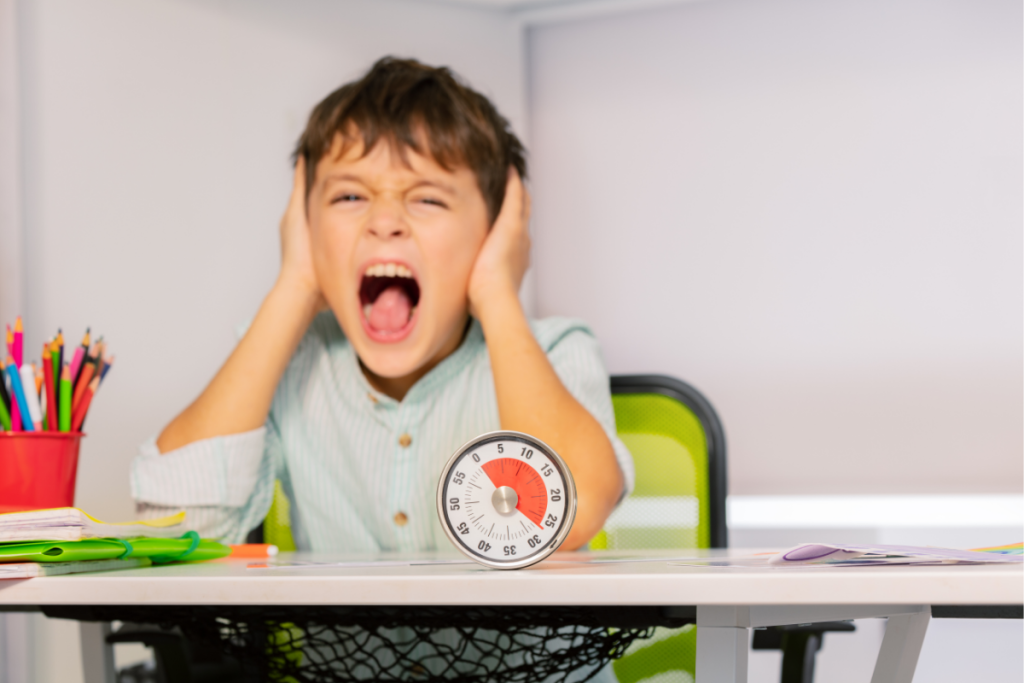
Signs of ND Masking You Might Be Missing
ND masking is invisible to most people — but not to a mama who’s learning the signals. Here’s what to look for:
1. Perfect behavior in public, explosive behavior at home
The #1 sign ND masking is happening.
2. Mimicking peers instead of interacting naturally
Copying scripts, jokes, gestures — survival, not connection.
3. Smiling or laughing when uncomfortable
The “be pleasant so nobody gets mad” mask.
4. Emotional shutdown
Not because they don’t feel — because they feel too much.
5. Sensory overwhelm hidden until the environment changes
ND masking often pushes sensory needs underground until they can erupt.
6. Exhaustion after school or social events
Masking is work — sometimes harder than actual schoolwork.
7. People-pleasing tendencies
The desire to avoid conflict is a classic ND masking side effect.
If you’re nodding your head?
You’re already seeing ND masking clearly — and that alone makes you dangerous (in the best way) to systems that expect compliance over wellbeing.
Why ND Masking Happens (And Why It’s Not Your Child’s Fault)
ND kids don’t mask because they want to.
They mask because they’ve learned it’s required.
Here’s what pushes them into ND masking:
School expectations
Sit still. Make eye contact. Don’t interrupt. Don’t move. Don’t stim.
ND masking becomes the only way to “earn” approval.
Fear of punishment
Kids who are corrected repeatedly for neurological behaviors learn to hide them.
Wanting to fit in
Every child wants belonging. ND masking becomes a ticket to temporary acceptance.
Sensory overwhelm
Sometimes ND masking is actually shutdown — a way to avoid more sensory input.
Adults misunderstanding behavior
When genuine needs are treated as problems, kids learn to disappear behind ND masking.
ND masking is not manipulation.
It is not defiance.
It is protection.
And it is learned young.

How to Help Your Child Drop the Mask Safely
Here’s where your Mamafesto magic comes in.
You can’t control every environment — but you can build a world where ND masking becomes unnecessary.
1. Create a Mask-Free Zone at Home
Say it out loud:
“You never have to pretend here. This is your safe space.”
Safety dismantles ND masking faster than anything else.
2. Normalize ALL forms of expression
Instead of “Use your words,” try:
“Show me in whatever way works for you.”
Instead of “Calm down,” try:
“Let it out. I’m right here.”
When expression is safe, ND masking becomes unnecessary.
3. Build sensory safety into daily life
ND masking often hides sensory distress.
Offer predictable regulation tools:
- noise-canceling headphones
- dimmed lighting
- movement breaks
- sensory corners
- deep pressure tools
This isn’t spoiling your child.
This is meeting neurological needs so ND masking doesn’t have to do the job.
4. Work with the school to reduce masking pressure
Ask:
- “Where is my child working hardest to meet expectations?”
- “What accommodations can replace the need for ND masking?”
- “What behaviors look ‘fine’ but might actually be ND masking?”
If you want, I can write you a full script for this conversation.
5. Teach your child what ND masking is
Give them the language:
“ND masking means pretending to be okay or acting like others so people won’t misunderstand. It feels tiring because it’s not the real you.”
Kids can’t stop what they can’t name.
6. Celebrate their authentic traits — loudly
Say things like:
- “Your honesty is a strength.”
- “Your passions make you powerful.”
- “Your stims help your body — keep going.”
Kids believe what we reflect.
Reflect power, not pressure.
7. Honor the after-school crash
ND masking is exhausting.
The collapse afterward is not a behavior issue — it’s a recovery.
Say:
“I can tell you worked so hard today. Take your time. I’m here.”
Connection first.
Regulation second.
Everything else later.
The Goal Isn’t to Remove ND Masking Overnight — It’s to Remove the Need for It
Dropping the mask isn’t a single moment.
It’s a relationship.
A slow unlearning.If you’re raising a neurodivergent child, you already know this truth in your gut:
Your kid isn’t struggling because they’re “too sensitive,” “dramatic,” or “not trying hard enough.”
They’re struggling because the world expects them to perform.
And perform they do.
All day long, your ND child is working overtime to blend in, hold it together, and avoid being judged or misunderstood. That performance has a name — ND masking — and it’s one of the biggest reasons your child comes home completely drained.
You’re not imagining it.
You’re not overreacting.
You’re not “reading too much into things.”
This hidden pressure is real.
And it’s costing them more than most adults will ever know.
Let’s pull the mask back and talk honestly about what’s really going on — and how you can help your child step out of survival mode and back into themselves.
What “Masking” Really Means for ND Kids
Masking is when a neurodivergent child hides their natural behaviors or feelings to avoid being singled out, corrected, or shamed. It’s not lying. It’s not manipulation. It’s not being “fake.”
It’s self-protection.
Masking can look like:
- forcing eye contact even when it feels uncomfortable
- memorizing social responses
- holding in stims until their body shakes
- smiling through anxiety
- suppressing meltdowns
- mimicking peers to fit in
- avoiding asking for help
- being “quiet” so they don’t get in trouble
From the outside, masking looks like compliance.
On the inside, it feels like suffocation.
Why Kids Mask (And No — It’s Not Because They Want to “Fit In”)
Kids don’t mask because they’re trying to be popular.
They mask because the environment tells them:
- “Stop fidgeting.”
- “Use your words.”
- “Try harder.”
- “Make eye contact.”
- “Sit still.”
- “Calm down.”
- “Don’t be rude.”
Every one of those messages tells them the same thing:
“Who you naturally are is not acceptable here.”
And when a child hears that enough times?
They learn to disappear.
That’s what ND masking is — disappearing in plain sight.
The After-School Collapse: Your Home Isn’t the Problem — It’s the Safe Place
If your child is “well-behaved” at school and melting down at home, that’s not inconsistency.
That’s clarity.
Masking all day is like holding your breath underwater.
The moment that child comes home, they finally get to breathe.
The meltdown isn’t defiance.
It’s release.
It’s relief.
It’s survival.
If after-school chaos leaves you feeling unsure how to support your child, don’t miss my post React vs Respond: The Sanity-Saving Power Move for ND Mamas, where I break down exactly how to handle those high-intensity moments without adding more stress to either of you.
You are their safe place — the one spot where the mask can fall without fear.
That’s not failure.
That’s relationship.
Why ND Masking Is Not Harmless
This is where things get serious.
Masking for long periods is linked to:
- chronic stress
- anxiety
- burnout
- identity confusion
- communication shutdown
- depression
- social exhaustion
- emotional numbness
- self-harm in teens and adults
This isn’t “a phase.”
It’s a psychological cost.
When kids spend their energy pretending to be someone else, they don’t have energy left to be themselves. That’s why understanding and addressing masking early is one of the most powerful things an ND mama can do.
Signs of ND Masking You Might Be Missing
Masking is sneaky because kids get good at it.
Painfully good.
Here are the most common signs:
- They hold it together in public but fall apart at home.
- They mimic speech or behavior from peers.
- They go quiet when overwhelmed.
- They smile or laugh when uncomfortable.
- They avoid saying “I don’t know.”
- They come home exhausted, irritable, or shut down.
- They never ask for help, even when struggling.
- Their homework is full of perfectionism or panic.
- They apologize constantly.
If you’re circling more than a few of these… your child might be masking far more than you realized.

How to Gently Help Your Child Unmask (Without Pushing Too Fast)
You cannot force a child to drop their mask.
But you can create a world where they don’t need it.
Here’s how:
1. Name It — So They Know It’s Safe to Talk About
Kids can’t change what they don’t have language for.
Try saying:
“Sometimes kids pretend they’re okay so they don’t get in trouble or stand out. That pretending is called masking. You never have to do that with me.”
Normalize it.
Give it space.
Let them exhale.
2. Create Mask-Free Zones
This is huge.
Make your home a place where:
- stimming is allowed
- movement is okay
- breaks are normal
- feelings aren’t punished
- honesty isn’t dangerous
Say it directly:
“You don’t have to act ‘fine’ here. You can be exactly who you are.”
They need to hear it more than once.
3. Reduce the Pressure to Perform
Replace:
❌ “Use your words.”
with
✔️ “Show me in the way that works for you.”
❌ “Calm down.”
with
✔️ “I’m right here. Let it out.”
❌ “Stop fidgeting.”
with
✔️ “Do you want something to help your body feel better?”
These are small shifts with massive impact.
4. Build Sensory Safety Into Their Daily Routine
The nervous system drives the mask more than the mind.
Tools that help:
- noise-canceling headphones
- soft lighting
- weighted blankets
- movement breaks
- predictable transitions
- quiet decompression time after school
A regulated child masks less — naturally.
5. Work With the School (Not Against Them — Even If You Want To)
Ask:
- “When is my child expected to act in ways that contradict their wiring?”
- “Can we adjust expectations so they don’t need to hide who they are?”
- “What supports can we add to reduce social pressure?”
This alone can dramatically reduce the need for a child to mask.
6. Celebrate Their Real Self Out Loud
Masking thrives in shame.
Authenticity grows in affirmation.
Say things like:
- “I love the way your brain works.”
- “You don’t have to smile when you’re not feeling it.”
- “Your honesty is one of your strengths.”
- “You’re not too much — you’re passionate.”
Your voice becomes their mirror.
Give them something powerful to see.
You Can’t Erase the Mask — But You Can Lighten the Weight
Here’s the truth:
Your child may always mask in some environments.
Most adults do, too.
But with your support, they won’t have to mask everywhere, and they won’t have to mask alone.
Your job isn’t to force authenticity.
Your job is to build safety.
Because when kids feel safe enough to stop performing, something incredible happens:
They don’t just unmask.
They come alive.
And mama — you are a huge part of that freedom.
A return to authenticity.
And you, mama, are the one teaching your child:
“You don’t have to perform here. You get to be.”
When a child learns that?
They don’t just unmask.
They come alive.